Shops, barns and steel buildings
Metal Building and Barn Spray Foam in Westcliffe, CO
Stop the drips and drafts in your shop. Call anytime for a quote.
Shops, barns and steel buildings
Stop the drips and drafts in your shop. Call anytime for a quote.
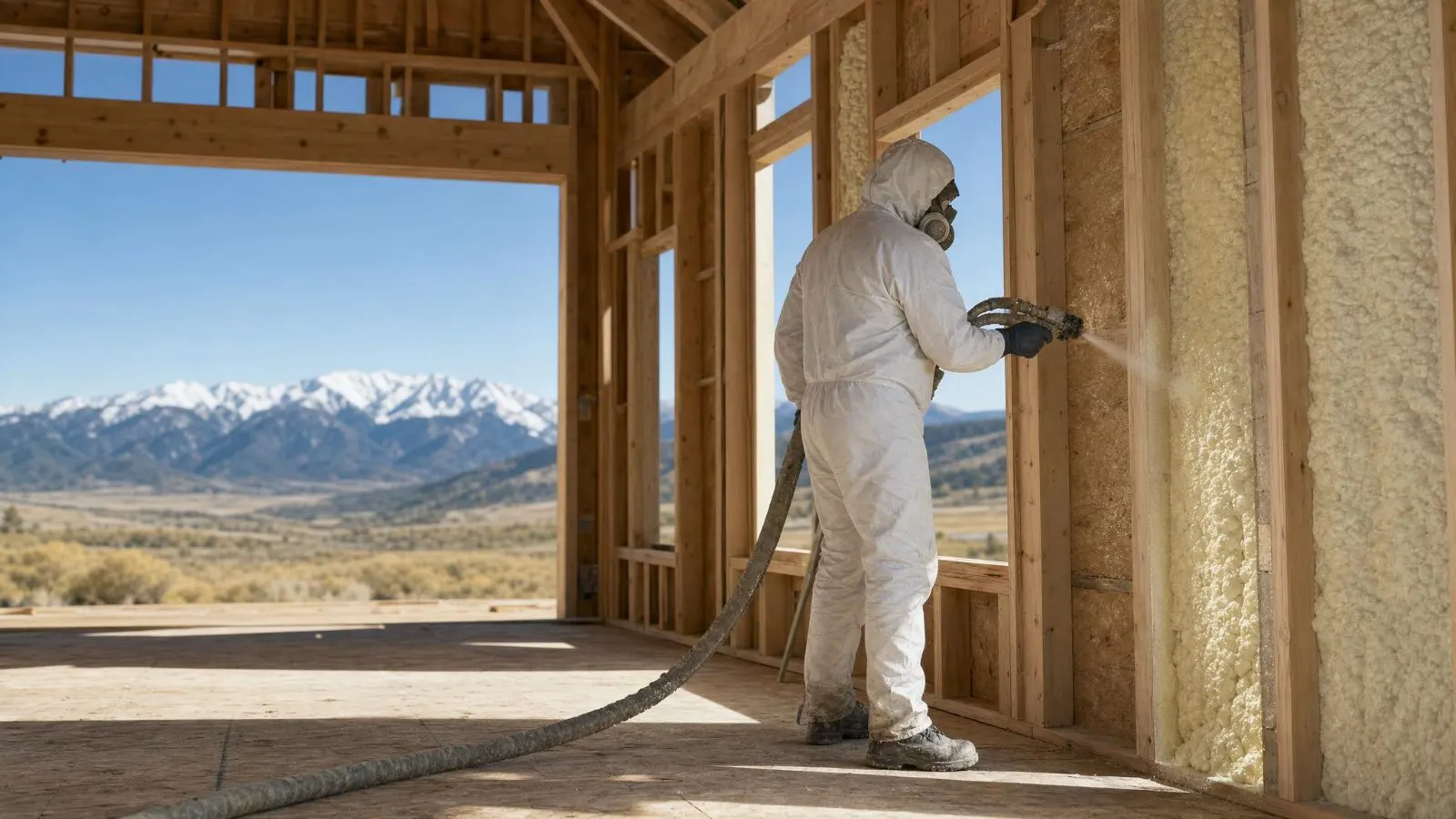
Ranch and acreage properties across the Wet Mountain Valley often have a metal shop, pole barn or steel garage. Uninsulated metal buildings swing hard with the weather. Frost and condensation form on the panels on cold nights, drips land on tools and equipment, and heating the space is a losing battle.
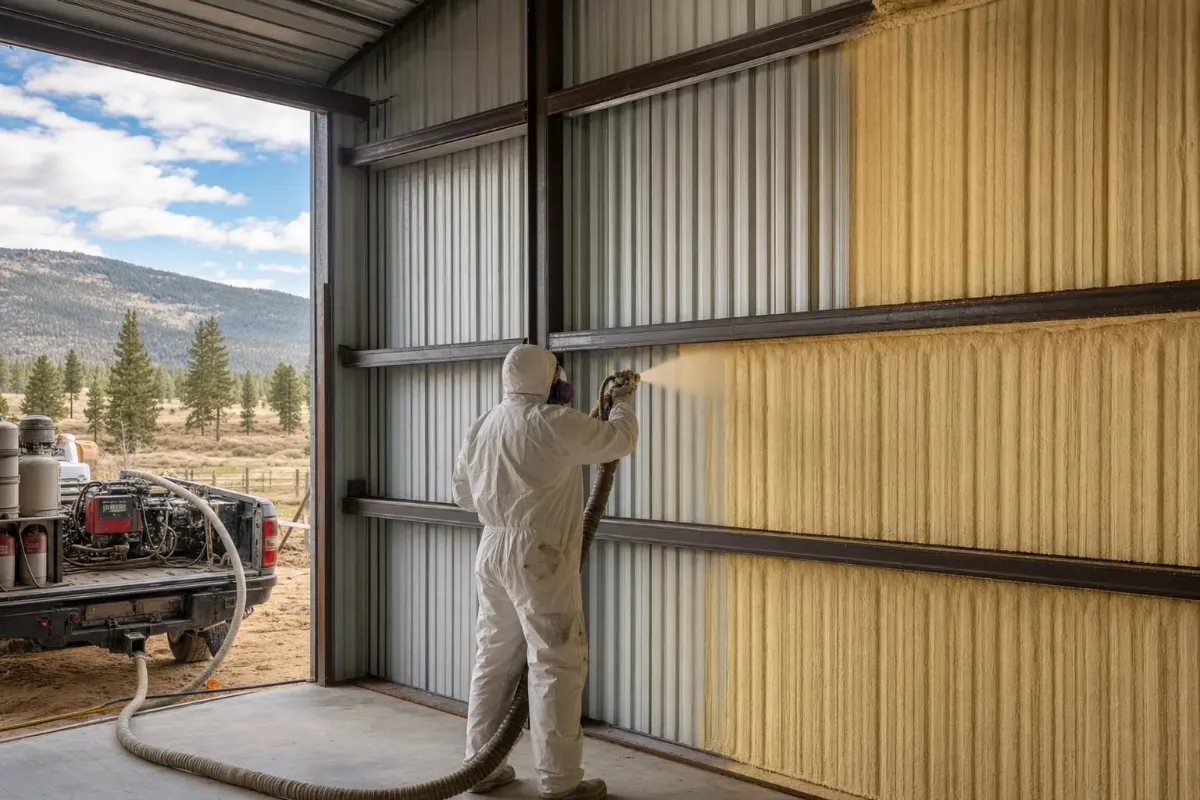
Closed-cell spray foam bonded directly to the panels is one of the most common fixes. It keeps warm, moist air off the cold steel and seals the gaps where wind gets in.
How you use the building changes the plan. A heated workshop where you spend winter afternoons needs enough foam on walls and roof to hold heat and keep the steel above the dew point. An unheated equipment barn may only need a thinner layer to stop condensation and drafts. Be clear about the use when you ask for a quote so the provider recommends the right thickness instead of the most foam possible.
Most of the drips in a metal building come from the roof panels, so foaming the roof is usually the priority. Eaves and the gap where wall panels meet the slab are common air leak points as well. Large overhead doors and sliding barn doors are harder to seal and may need their own insulation or weatherstripping, separate from the foam.
Spray foam overspray travels. Vehicles, tools, hay and anything else in the building need to be moved out or covered before the crew starts. Ask the provider what they cover and what you need to move yourself, and plan for the building to stay closed during the cure period.
Foam left exposed in a shop or barn often needs an ignition barrier coating or other covering under building code, depending on how the space is used. Check with the provider and the Custer County building department before the job starts.
On a clear winter night in the Wet Mountain Valley the steel roof of a shop radiates heat to the open sky and can drop below the outside air temperature. Any moisture in the air inside the building, from a running engine, a wet vehicle or animals in a barn, condenses on that cold steel and drips back down. Foam bonded to the steel keeps the inner surface warmer and keeps the moist air from touching the metal at all, which is why it works where a vapor barrier and batts often fail.
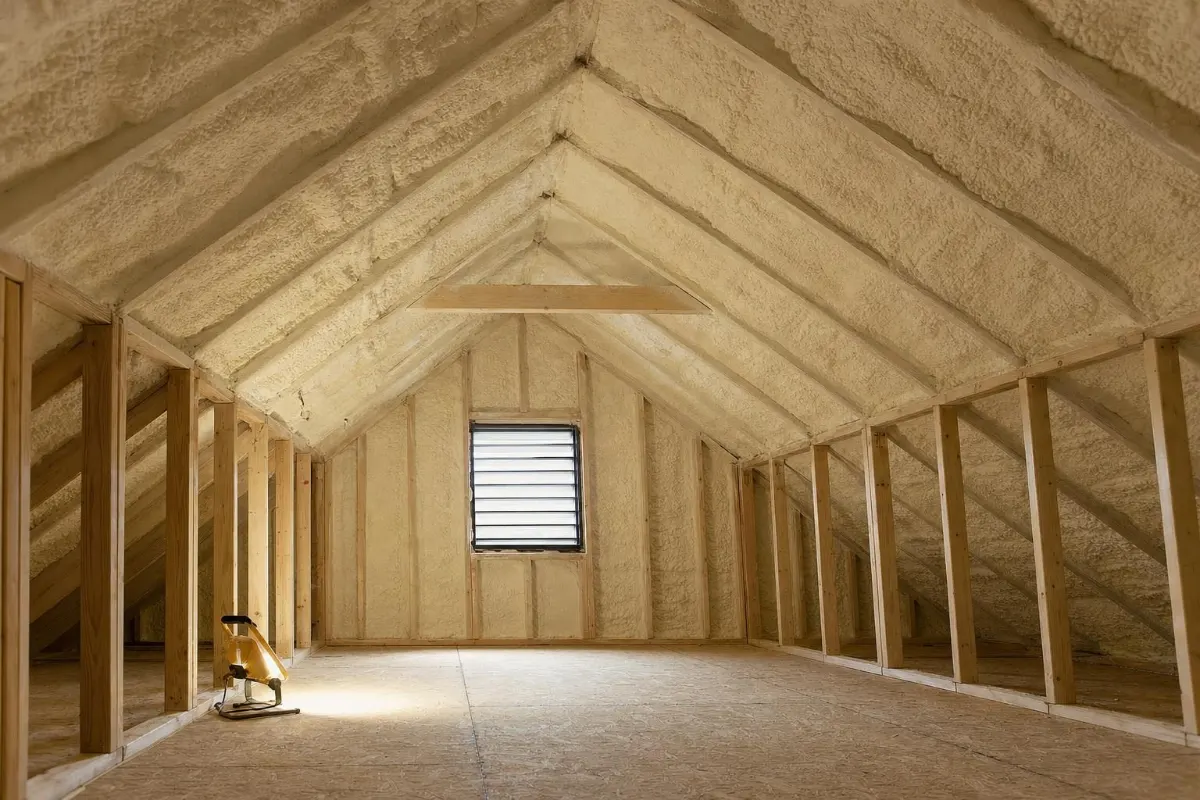
If it has metal walls or a metal roof, foam can usually help.
Heated or unheated shops where condensation and drafts are the main complaints.
Including equipment, hay and horse barns where appropriate.
Detached and attached garages that need to hold heat.
Shipping containers and small sheds used for storage or work.
Foam on the steel stops the drips that rust tools and soak stored hay.
Purlins, girts and posts are covered without cutting batts or boards.
Closed-cell foam can reduce panel rattle and noise.
Tell us about your shop or barn and get connected with a foam provider.
Free — no obligations
Will the building be heated, and to what temperature?
Walls only, or walls and roof?
Will equipment and stored items need to be moved or covered?
Does exposed foam need an ignition barrier or protective coating?
Is there room for a spray rig to park near the doors?
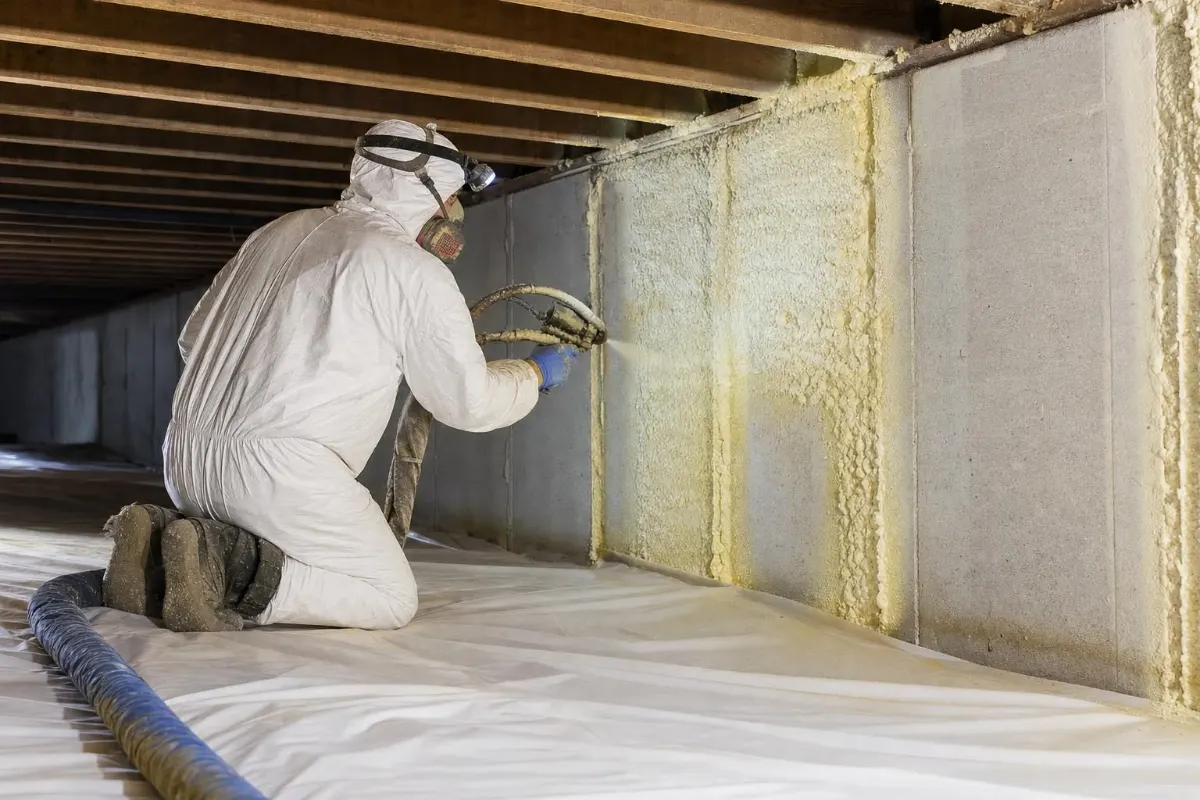
Closed-cell foam sprayed directly on the steel is one of the most effective ways to stop condensation, because it keeps warm, moist air from reaching the cold metal.
Exposed foam often needs an ignition barrier or protective coating depending on use. Ask the provider and the county building department what applies.
Usually items near the walls need to be moved or covered. Talk through what stays and what goes when you request the quote.
Enough to keep the steel above the dew point for how you use the building. A heated shop needs more than an unheated barn. The provider should explain the depth they recommend.